Understanding the Psychology of Humor Effects: The Dark Side of Laughter
- Pat Pending

- Dec 16, 2025
- 4 min read
Dark humor isn’t just about making jokes that make you squirm. It’s a wild, twisted dance between your brain’s deepest fears and its sharpest wit. If you’ve ever chuckled nervously at a joke about something taboo or grim, you’re not alone. That uneasy laugh? It’s your mind doing some serious heavy lifting. Today, I’m pulling back the curtain on the psychology of humor effects; specifically the shadowy realm of dark humor.
Why Does Dark Humor Make Us Laugh? The Psychology of Humor Effects Explained
You might think dark humor is just about being edgy or offensive, but It’s more complex than simply shock value. When you hear a joke about death, disaster, or disaster narrowly avoided, your brain is juggling two conflicting emotions: fear and amusement. This clash creates a unique thrill. It’s like walking a tightrope over a pit of lava while juggling flaming torches; terrifying but exhilarating.
Here’s the deal: humor activates the brain’s reward system, releasing dopamine, the feel-good chemical. But dark humor adds a twist. It forces your brain to confront uncomfortable truths in a safe, controlled way. This paradoxical mix is why you might laugh at a joke about something you’d normally avoid thinking about.
Examples?
A joke about a zombie apocalypse might make you laugh because it’s absurd, but it also taps into a primal fear of death and chaos.
Sarcastic quips about failure or illness can feel like a coping mechanism, turning pain into punchlines.
This is where the psychology of dark humor comes into play. It’s not just about shock value; it’s about how your brain processes and manages emotional conflict.

The Brain’s Secret Sauce: How Dark Humor Works Neurologically
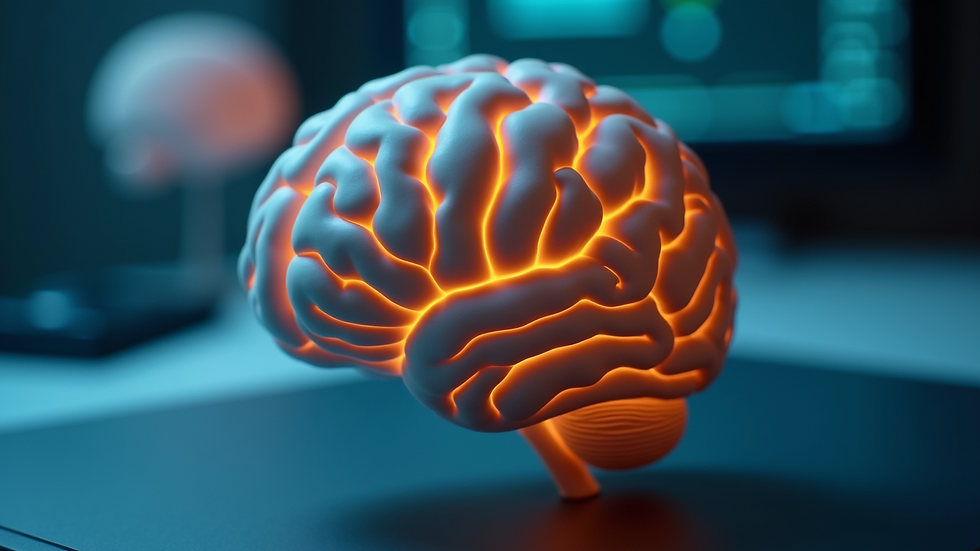
Let’s get nerdy for a second. Your brain is a master multitasker. When you hear a dark joke, several regions light up:
Prefrontal Cortex: This is your brain’s CEO, handling complex thinking and decision-making. It helps you understand the joke’s context and irony.
Amygdala: The emotional watchdog, it reacts to fear and threat. Dark humor tickles this part because it deals with taboo or scary topics.
Nucleus Accumbens: The pleasure center. When the joke lands, this area releases dopamine, rewarding you with that sweet laugh.
The magic happens when your prefrontal cortex tells your amygdala, “Relax, it’s just a joke.” This cognitive reappraisal lets you enjoy the humor without being overwhelmed by fear or disgust.
Actionable tip: Next time you catch yourself laughing at a dark joke, pause and think about how your brain is juggling these emotions. It’s a mental workout disguised as entertainment.
Dark Humor as a Coping Mechanism: Laughing in the Face of Adversity
Here’s the juicy part: dark humor isn’t just for shock value or edgy parties. It’s a powerful tool for resilience. When life throws you curveballs—loss, failure, existential dread—dark humor can be your secret weapon.
Why? Because it lets you:
Gain control: Making jokes about your fears or pain puts you in the driver’s seat. You’re not a victim; you’re the comedian.
Reduce anxiety: Humor lowers stress hormones like cortisol. Laughing at the absurdity of life’s hardships can ease your mind.
Build social bonds: Sharing dark jokes with like-minded folks creates a sense of belonging. It’s a club where everyone gets the twisted punchline.
Example: Think about how soldiers or emergency responders use gallows humor to cope with trauma. It’s not callousness; it’s survival.
Pro tip: If you’re struggling with tough emotions, try writing your own dark humor affirmations. It’s a rebellious way to reframe your mindset and take back power.
When Dark Humor Goes Too Far: Navigating the Fine Line
Okay, let’s not pretend dark humor is a free-for-all. There’s a razor-thin line between clever and cruel. Crossing it can alienate people or even cause harm. So how do you keep your dark humor sharp but safe?
Know your audience: What’s hilarious to one person might be offensive to another. Gauge the room before dropping your wicked one-liner.
Avoid punching down: Targeting marginalized or vulnerable groups isn’t edgy; it’s mean. Aim your humor at universal human foibles or absurd situations instead.
Be self-aware: If your joke makes you uncomfortable, it might be a sign to rethink it.
Actionable advice: Practice empathy. Use dark humor to challenge power structures or highlight absurdities, not to hurt or belittle.
Embracing the Dark Side: How to Use Dark Humor for Personal Growth
Ready to harness the psychology of humor effects for your own twisted self-improvement? Here’s how to get started:
Journal your dark humor moments: Write down jokes or thoughts that make you laugh but also make you think. Reflect on why they resonate.
Create “evil affirmations”: Flip traditional positive affirmations on their head with a dark twist. For example, “I’m not afraid of failure because I’ve already survived worse.”
Share with a community: Find or build a group that appreciates unconventional humor. Sharing your dark jokes can foster connection and healing.
Use humor to reframe challenges: When life gets grim, try crafting a joke or sarcastic comment about the situation. It’s a mental reset button.
Stay curious: Explore the psychology behind your humor preferences. Understanding why you laugh at certain things can unlock new insights about yourself.
Dark humor isn’t just a coping mechanism; it’s a rebellious form of self-help. It’s about embracing the chaos, laughing at the absurd, and finding strength in the shadows.
Dark humor is a wild beast—part survival tool, part brain teaser, part social glue. It challenges you to confront your fears with a smirk and a raised eyebrow. By understanding the psychology of dark humor, you’re not just laughing at the darkness—you’re mastering it. So go ahead, crack that wicked joke, write that twisted affirmation, and join the ranks of those who dare to find light in the darkest corners.
Your mind will thank you.


Comments